


Subtle Signs You May Not Be Getting Enough Fiber
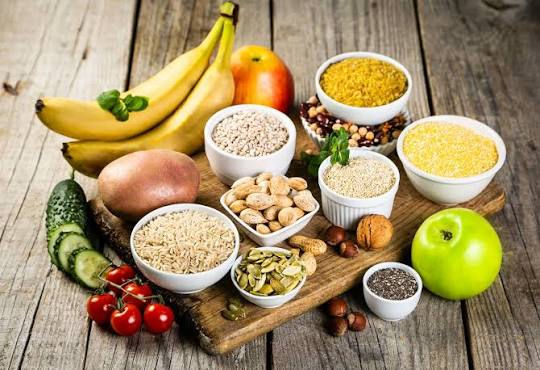
When people think about fiber, it’s often as a quick fix, something to reach for when digestion feels off. But fiber is far more than a short-term solution. It plays a central role in overall health, influencing everything from metabolism and heart health to mood and immune function. Despite its importance, most individuals fall well short of recommended intake levels. Current guidelines suggest aiming for roughly 21–38 grams of fiber per day, depending on age and sex, yet typical intake is often closer to half that amount. This gap is largely driven by dietary patterns that favor highly processed, low-fiber foods over whole, plant-based options. What makes fiber particularly interesting is that its effects extend well beyond digestion. Because it interacts closely with the gut microbiome, blood sugar regulation, and inflammatory pathways, low intake can show up in ways that are easy to overlook.
One of the most recognizable signs of low fiber intake is constipation. Fiber helps add bulk to stool and supports regular movement through the digestive tract. Without enough of it, digestion slows, often resulting in harder, more difficult-to-pass stools. But digestive changes don’t always look the same for everyone. Irregular bowel patterns, whether infrequent, uncomfortable, or inconsistent, can also signal that fiber intake is lacking. In many cases, stool may appear small or pellet-like rather than smooth and well-formed, reflecting inadequate bulk and movement through the intestines.
If you find yourself feeling hungry shortly after eating, or reaching for snacks throughout the day, fiber may be part of the picture. Fiber slows digestion and helps promote a sense of fullness, making meals more satisfying and sustaining. Without it, blood sugar levels can rise and fall more rapidly, leading to energy dips and increased cravings, particularly for quick sources of sugar. Over time, this pattern can make it more difficult to maintain consistent energy and balanced eating habits.
Fiber’s role in stabilizing blood sugar also impacts energy levels. Diets low in fiber may contribute to noticeable energy crashes, especially in the afternoon. These fluctuations can affect not only physical energy but also focus and mental clarity. In addition, emerging research highlights the connection between gut health and brain function. Because fiber supports the gut microbiome, and the microbiome influences neurotransmitter production, low fiber intake may subtly affect mood and cognitive function over time.
It may seem counterintuitive, but not getting enough fiber can contribute to bloating and digestive discomfort. Fiber helps regulate the movement of food through the digestive system and supports a healthy balance of gut bacteria. When fiber intake is low, this balance can be disrupted, leading to gas, bloating, and a general sense that digestion feels “off.” The gut microbiome relies on fiber as a primary fuel source, and without it, beneficial bacteria may decline.
One of the more surprising ways low fiber intake can show up is through skin health. The gut and skin are closely connected, often referred to as the “gut-skin axis.” When gut health is compromised, it can contribute to inflammation that affects the skin. While not always immediately obvious, dullness or changes in skin clarity may be influenced by dietary patterns, including fiber intake, through their effects on inflammation and microbiome balance.
A large portion of the immune system is housed in the gut, making gut health a key player in immune function. Fiber helps nourish beneficial gut bacteria, which in turn produce compounds that support immune defense and reduce inflammation. When fiber intake is low, this system may not function as effectively. Over time, this could contribute to increased susceptibility to illness or a slower recovery from common infections.
Improving fiber intake does not require a complete dietary overhaul. Small, consistent changes can make a meaningful difference. Incorporating fiber-rich foods into each meal is a practical starting point. For example:
Adding berries, chia seeds, or whole grain toast at breakfast
Including beans, lentils, or whole grains like quinoa at lunch
Pairing dinner with vegetables such as broccoli, Brussels sprouts, or leafy greens
Snacks can also contribute, with options like nuts, fruit, or air-popped popcorn offering additional fiber throughout the day. It’s important to increase fiber gradually, allowing the digestive system time to adjust. Pairing higher fiber intake with adequate hydration is also essential to support proper digestion and minimize discomfort.
Fiber is often underestimated, but its impact is far-reaching. From digestion and energy levels to immune function and metabolic health, it plays a foundational role in how the body functions day to day. Recognizing the subtle signs of low intake, and taking steps to incorporate more fiber-rich foods, can support not only digestive health, but overall well-being.
Comments